Literature review//Global
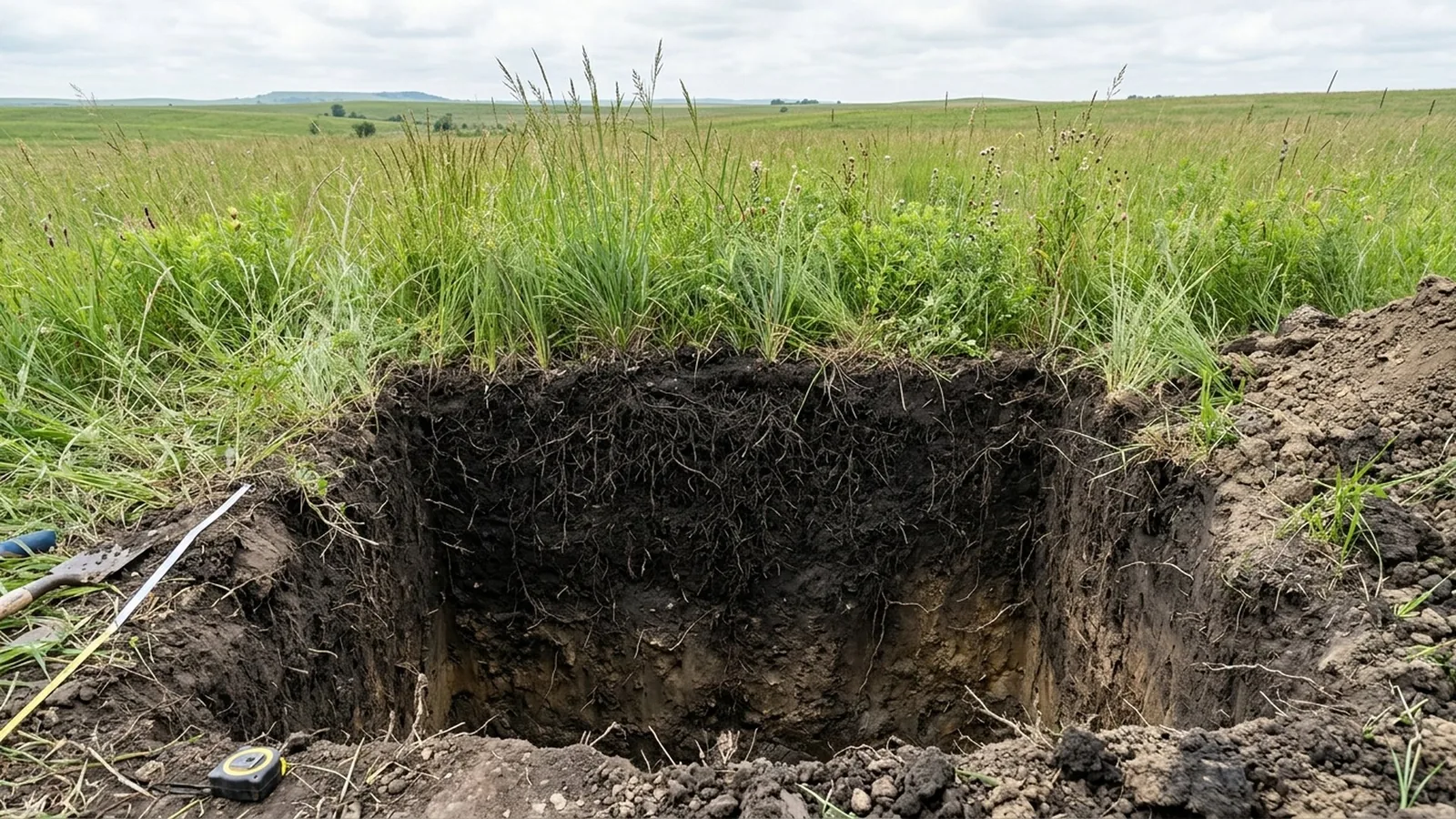
Soil carbon evidence synthesis for a global confectionery company
Structured review of the published evidence on soil carbon dynamics in cocoa systems to inform a multinational's sustainability roadmap.
ENGINEERING//CONSULTING//RESEARCH
Ekodama is an independent scientific consulting practice focused on soils, soil health, soil carbon, agroforestry, and sustainable land systems. We help clients design robust approaches, generate credible evidence, and translate complex land-system questions into usable decisions.
Why Ekodama//Approach
We combine field experience, research-grade methods, and visual-analytical craft to bridge complex science and real-world implementation.
Whether you're designing a rigorous field experiment, establishing a soil carbon baseline, or trying to understand how a complex land system actually behaves, our role is to make the science sound, usable, and grounded in your situation.
Expert review & advisory
When a service provider is running the work and you need to know the science holds up, we step in as an independent expert. We review the work, give a second opinion, or advise on the specific questions that matter most.
An independent read on a provider's methods, design, or results.
One question answered well, without a full engagement.
We step into a running program on the things where expertise counts.
Services//Seven practice areas
Field research, analytical methods, and strategic consulting across seven complementary practice areas.
We help design and interpret soil health evaluations, from comprehensive studies to focused assessments, combining field, laboratory, and research-grade methods. We can deliver this at our scale, or act as scientific advisor to a larger program your team is running.
We support credible soil carbon baselines and tree or plant biomass estimation, aligned with the GHG Protocol Land Use Removals guidance and with the practical reality of supplier programs. We also review existing or planned sampling campaigns, soil or tree, to assess whether the design, depth, bulk density, and uncertainty approach meet the requirements of carbon accounting, not agronomic monitoring alone.
We build farm-system models, short-term or long-term, that crystallize how different management choices translate into emissions, removals, yields, and system trade-offs.
Statistically robust field experiments and sampling plans, plus review of plans put forward by your team or another service provider. We help you answer: is this design actually fit for the question? Either from first principles or as a second opinion before your campaign begins.
We turn complex analysis into things people can use day-to-day: interactive dashboards, decision-support apps, hand-drawn system diagrams, maps, and technical syntheses.
Tailored training and capability-building. We don't issue professional certifications; we share the working knowledge your teams need to do the job well.
When a decision is being made and the literature is vast or contradictory, we compress the relevant science into a clear, sourced, opinionated brief.
Recent projects//Selected work
A representative view of recent work with major agri-food companies and scientific institutions.
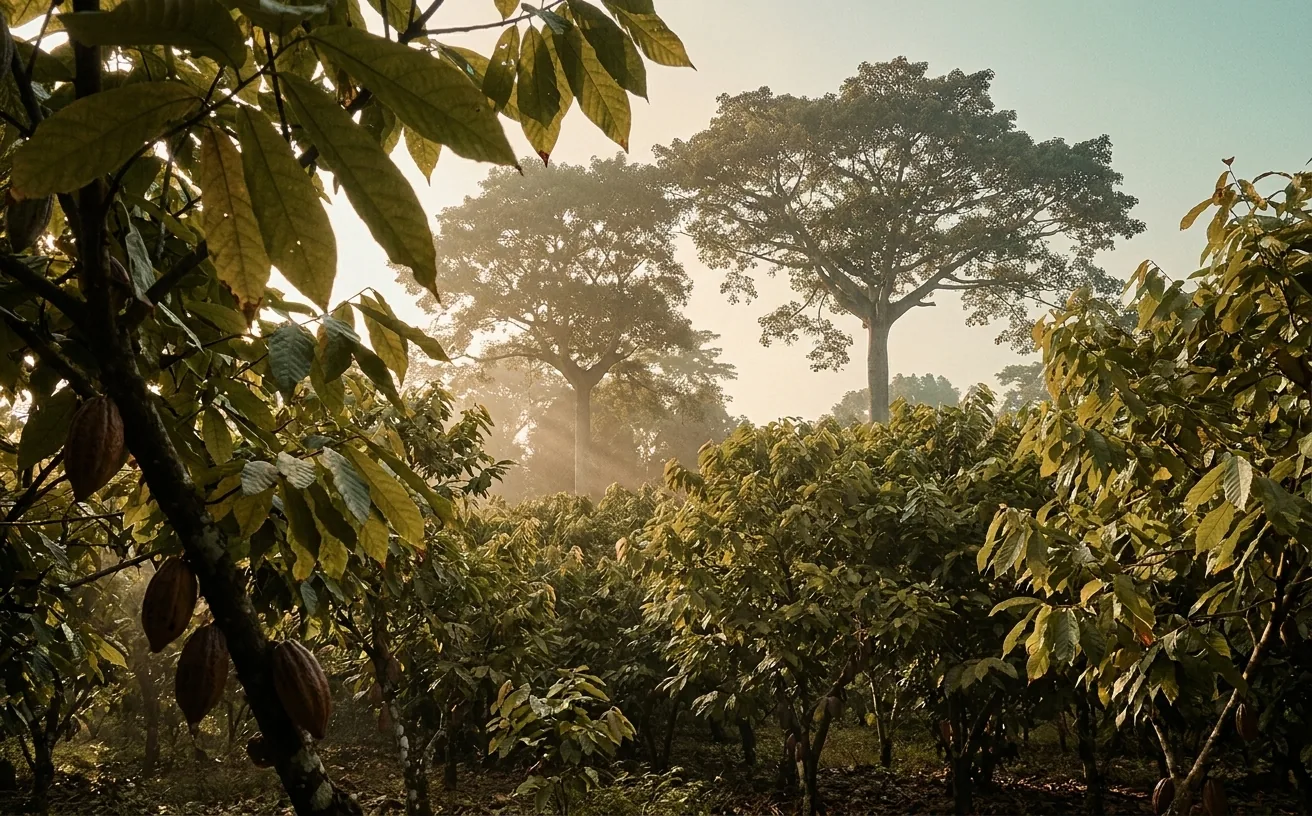
Structured review of the published evidence on soil carbon dynamics in cocoa systems to inform a multinational's sustainability roadmap.
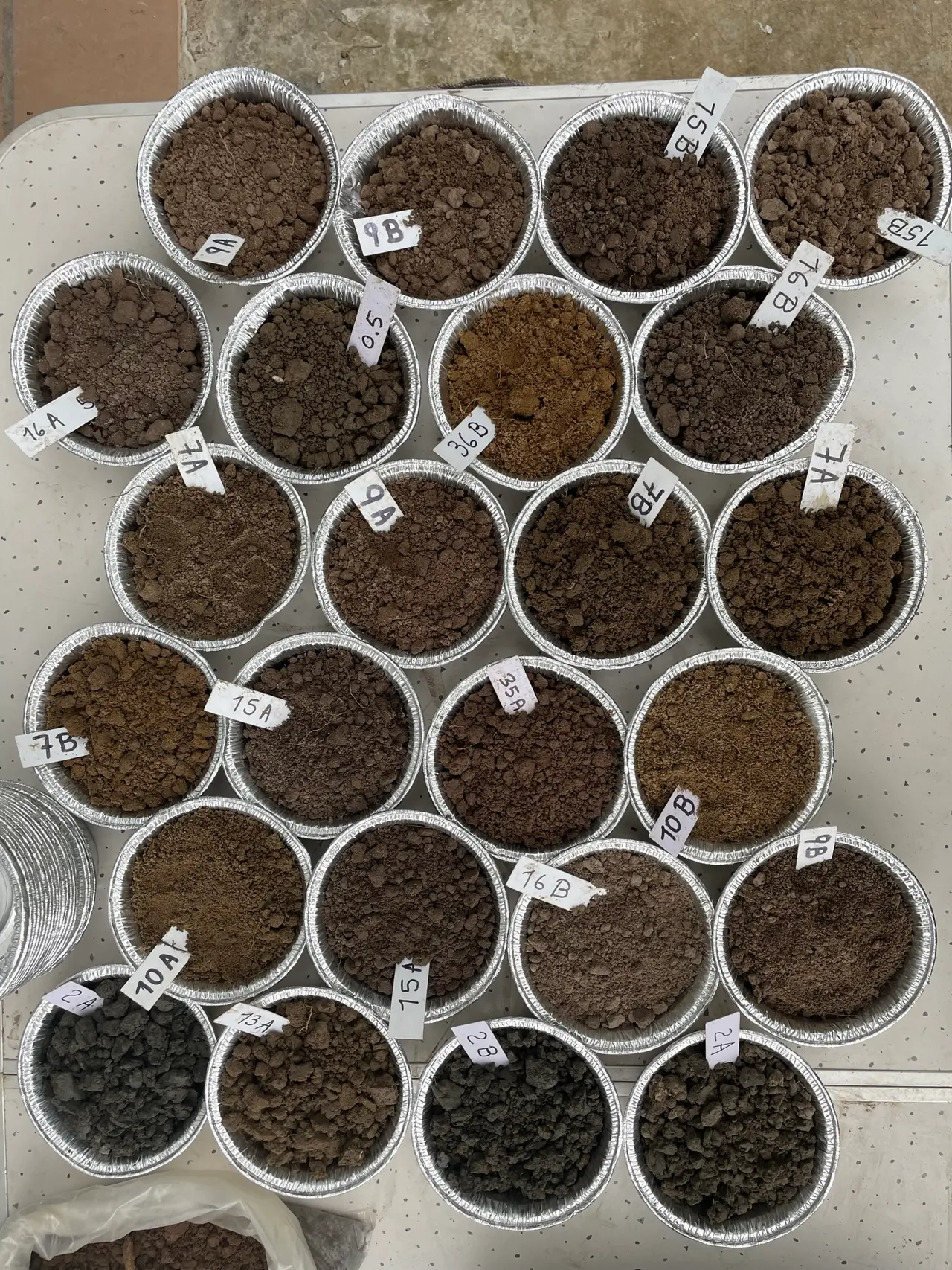
Integrated assessment of soil health, carbon stocks, and agronomic performance across a large commercial cocoa plantation in Colombia.
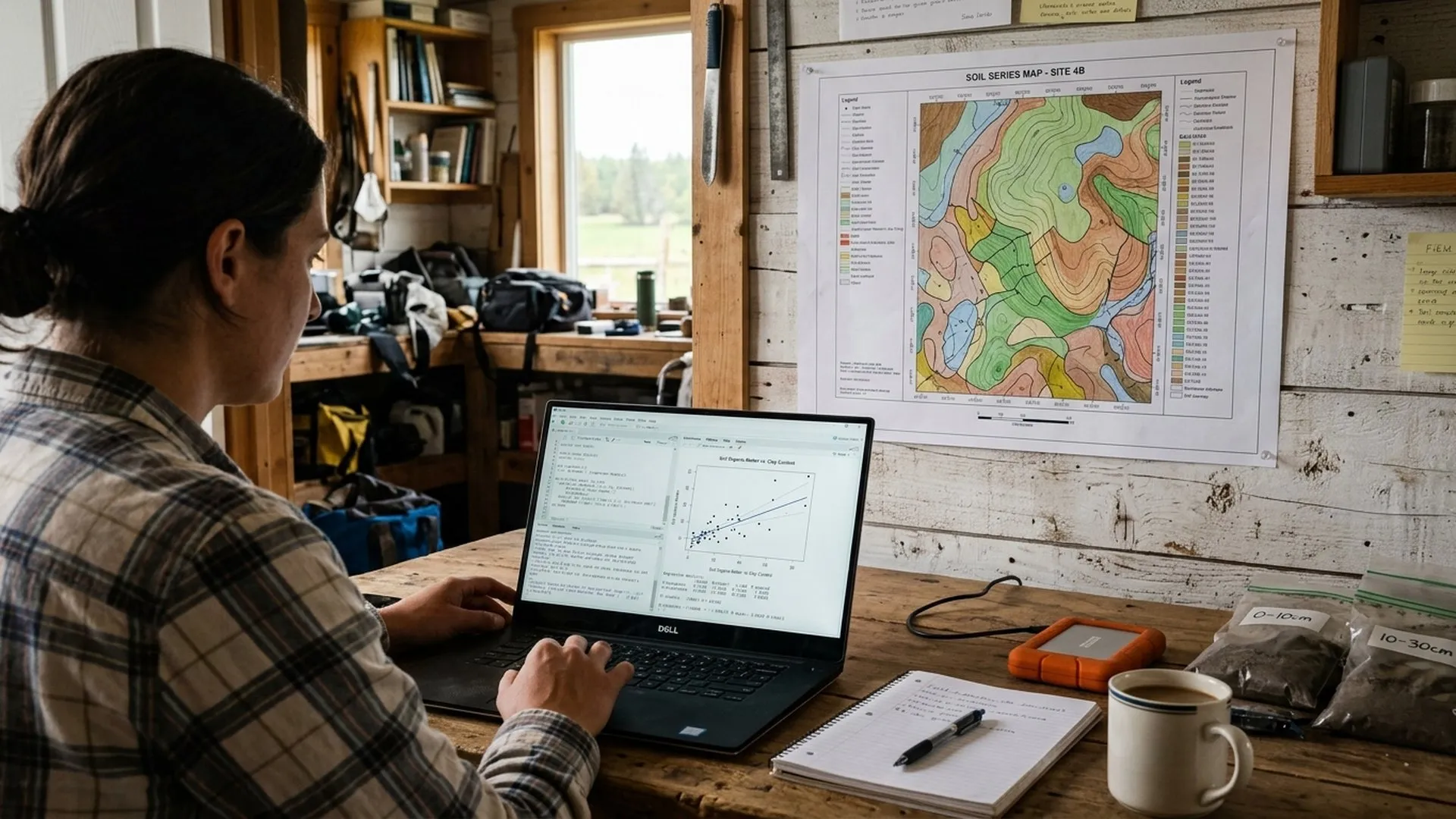
Custom quantitative tool built to help programme managers evaluate practice changes, soil carbon outcomes, and farmer-level economics.
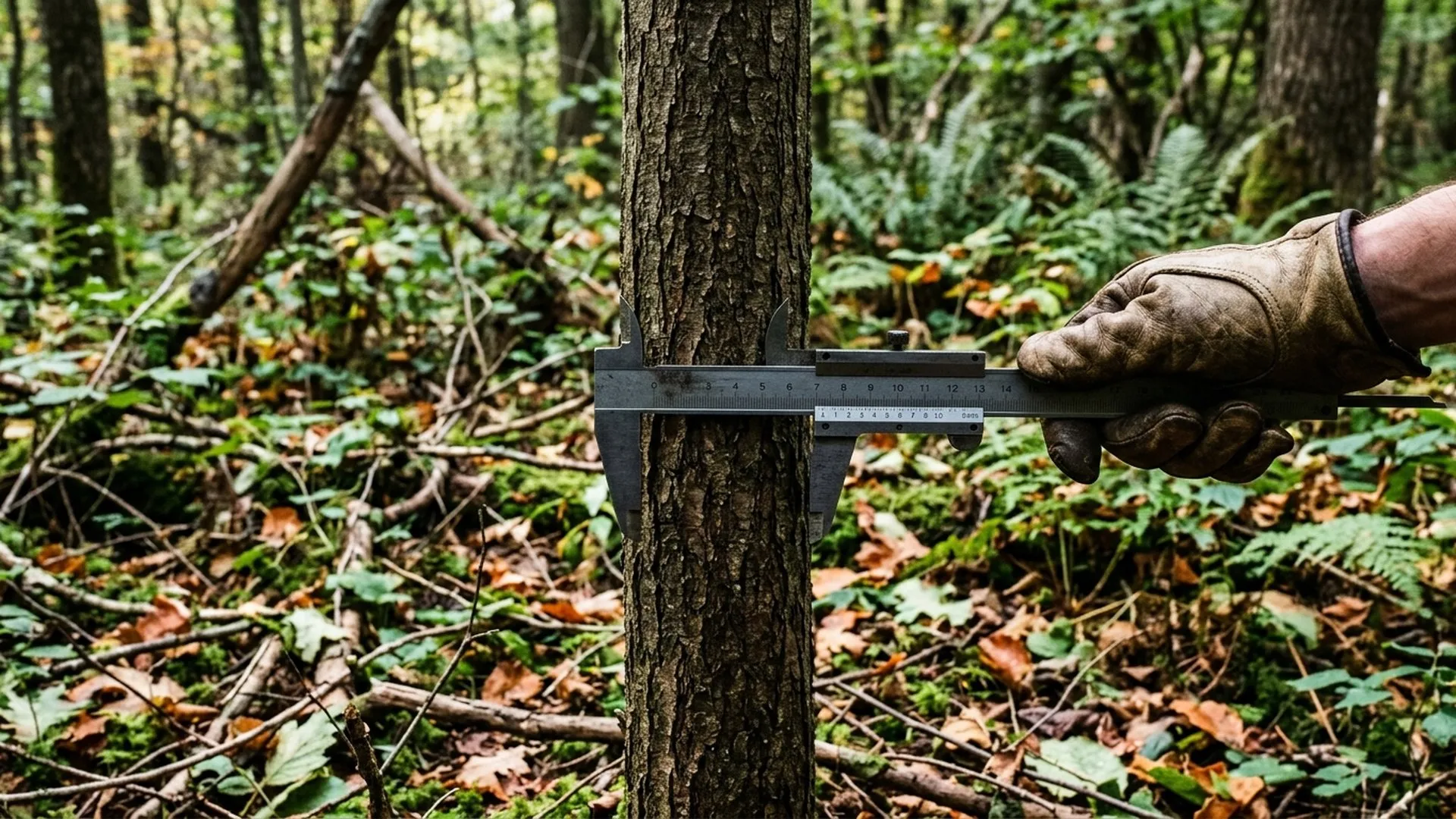
Design and implementation of a rigorous on-farm experimental protocol for an integrated cocoa-and-fruit system in Brazil.
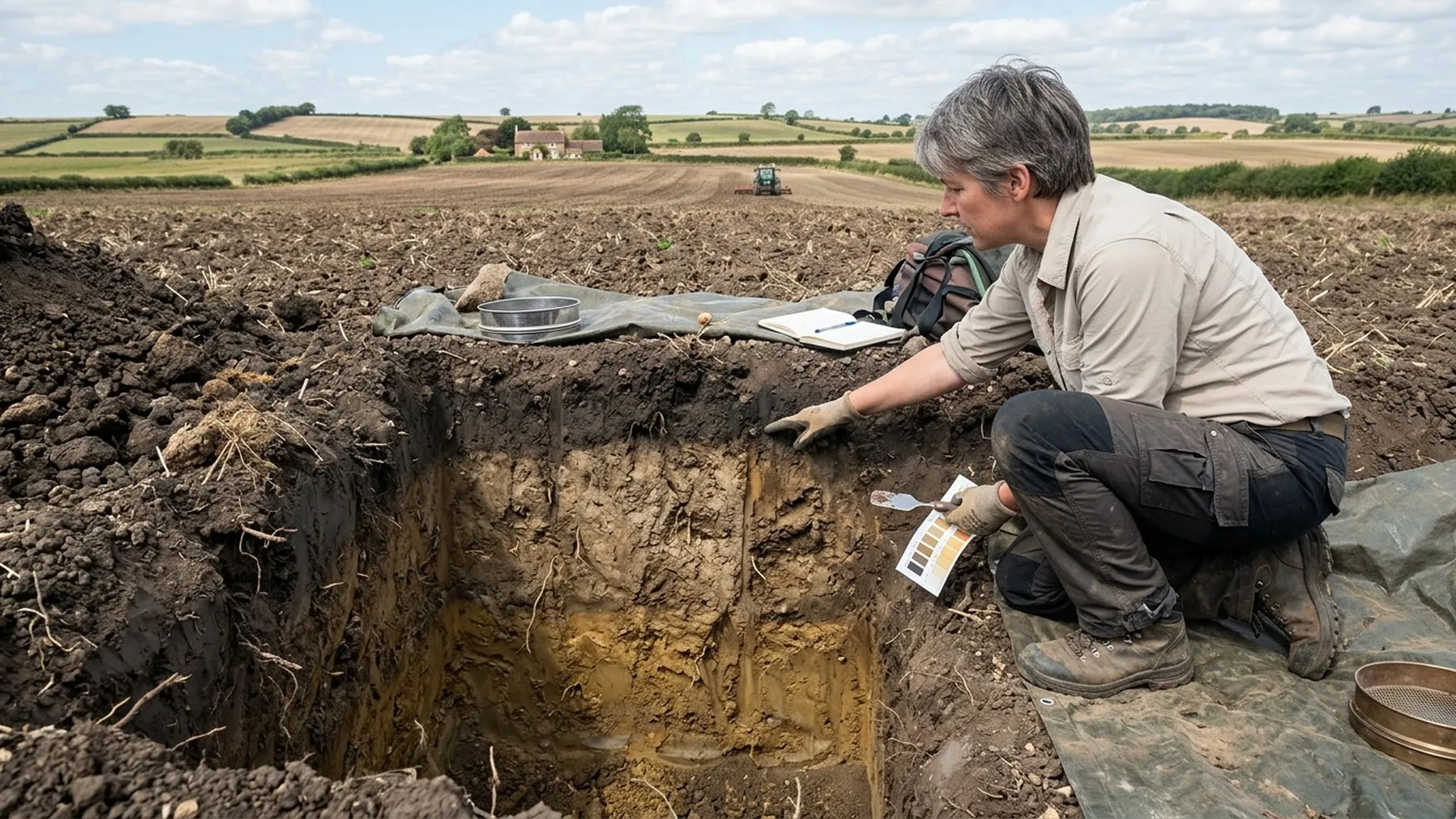
Development of a defensible measurement, reporting and verification protocol for a private agronomic research centre.
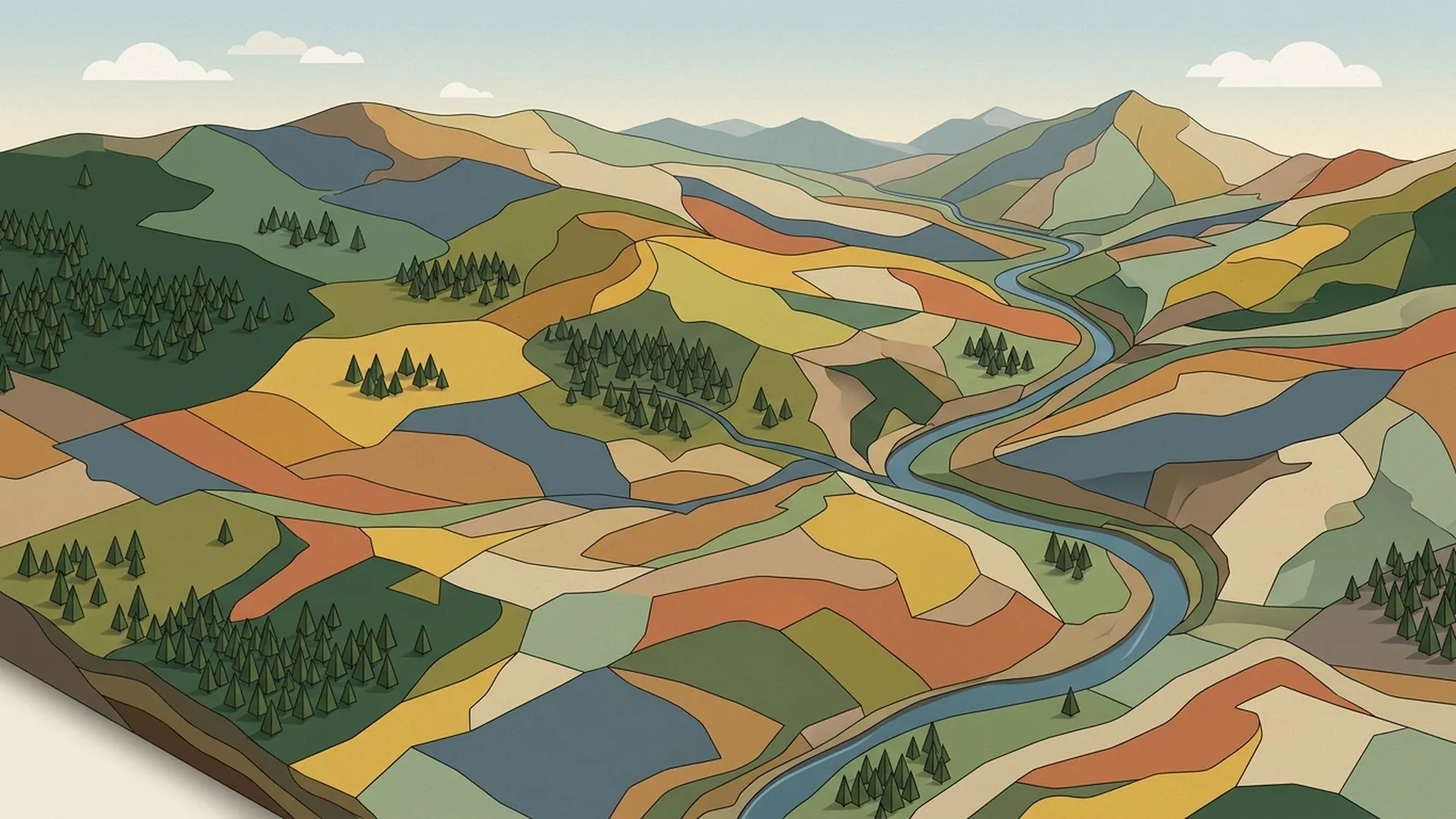
An interactive cartography of soil science: 10 zones, ~85 disciplines, and 8 cross-cutting themes. Pannable, zoomable, bilingual.
Practical lessons and other insightful reflections.
Work with us
Interested in collaborating on soil carbon research, agroforestry consulting, or scientific communication projects? Tell us about your project and we will come back to you with a clear, honest first response.